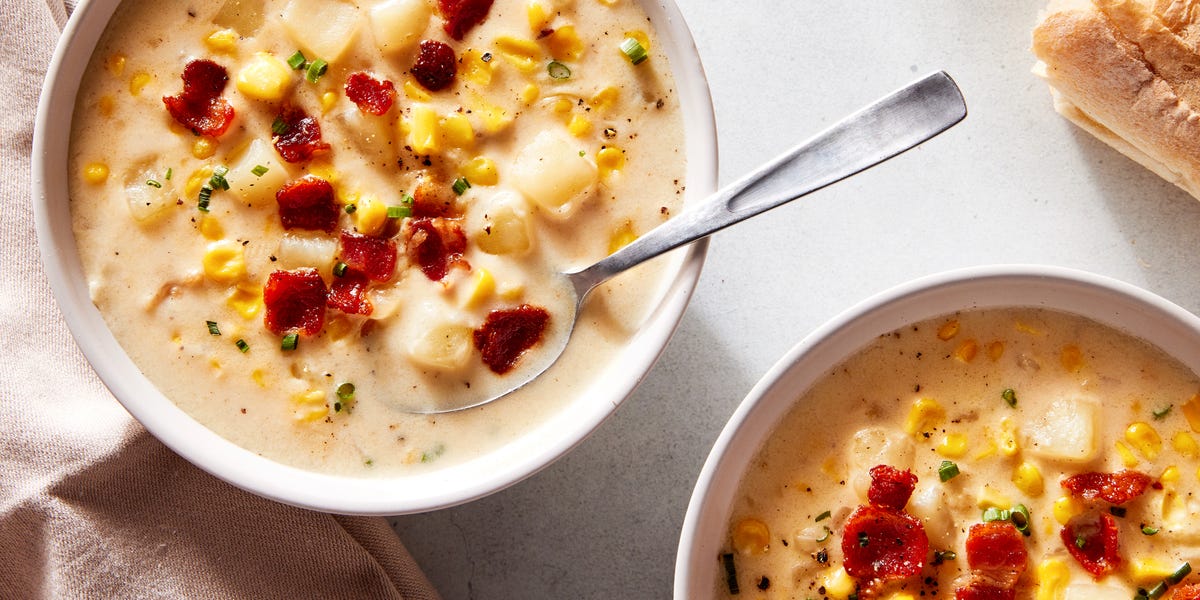
Your Ultimate Guide to the Perfect Corn Chowder Recipe: Fresh, Frozen, or Canned
There's something uniquely comforting about a bowl of warm, creamy chowder, and while clam chowder often steals the spotlight, its cousin,
corn chowder, offers a similarly satisfying experience with its own sweet, wholesome charm. This beloved soup is a culinary chameleon, capable of being a light summer side or a hearty main dish to usher in the cooler autumn days. What truly makes a great
corn chowder recipe shine is its incredible versatility, allowing you to create a deeply flavorful and satisfying meal no matter the season, by cleverly utilizing fresh, frozen, or even canned corn. Get ready to dive into the world of this delicious, crowd-pleasing classic that's surprisingly simple to master.
The Versatility of Corn: Fresh, Frozen, or Canned for Your Chowder
The heart of any great corn chowder is, of course, the corn itself. One of the most wonderful aspects of this dish is its adaptability to whatever corn you have on hand or what's available. Whether you're making a batch in the peak of summer or craving comfort in the dead of winter, there's a corn option for you.
Fresh Corn on the Cob: The Summer Dream
When corn is in season, typically from late spring through early fall, nothing quite compares to the vibrant sweetness of fresh corn on the cob. Its crisp texture and natural sugars infuse the chowder with an unparalleled brightness. To use fresh corn, simply stand the cob upright in a large bowl, then carefully slice downwards with a sharp knife, removing the kernels. Don't discard the cobs just yet! You can simmer them in your broth for a short while to extract even more natural corn flavor before straining, adding an extra layer of depth to your
corn chowder recipe.
Frozen Corn: The Convenient All-Season Star
For those times when fresh corn isn't an option, or if you're looking for ultimate convenience, high-quality frozen corn is your best friend. Modern freezing techniques lock in much of the corn's flavor and texture, making it an excellent substitute. Before adding it to your chowder, it's always a good practice to defrost and drain the frozen corn. This step prevents excess water from diluting your chowder's rich flavor and ensures the corn heats evenly without lowering the soup's temperature too much.
Canned Corn: The Pantry Staple for Quick Chowder
While fresh and frozen corn are generally preferred for their superior flavor and texture, canned corn can still deliver a delicious chowder in a pinch. It's an ideal choice for a super-fast meal or when your pantry is looking sparse. When using canned corn, be sure to drain and rinse it thoroughly to remove excess sodium and any canning liquid, which can sometimes impart an off-flavor. While it might not offer the same pop as fresh or frozen, it's a perfectly acceptable and convenient ingredient for a comforting bowl of
corn chowder.
Building the Perfect Flavor Profile for Your Corn Chowder Recipe
A truly outstanding corn chowder isn't just about the corn; it's a symphony of carefully selected ingredients that build layers of rich, savory flavor. From the first sizzle of bacon to the final swirl of cream, each component plays a vital role. This foundational approach ensures your homemade corn chowder is incredibly satisfying and deeply flavorful. For a deep dive into creating a truly exceptional dish, check out our guide on the
Best Creamy Corn Chowder: Easy Recipe with Bacon & Potatoes.
The Flavor Starter: Bacon (or a Vegetarian Alternative)
Many of the best corn chowder recipes begin with bacon, and for good reason. Frying sliced bacon until crisp not only provides a delicious smoky, savory topping but also renders flavorful fat that forms the base of your soup. This bacon fat is liquid gold, used to sauté the aromatics and build the initial flavor profile. If you prefer to skip the meat, you can achieve a similar richness by sautéing sliced mushrooms in oil or butter until deeply browned and fragrant.
Aromatic Foundation: The Humble Onion
Following the bacon, one yellow onion, finely diced, is typically cooked down in the rendered fat until translucent. This step is crucial for developing a sweet, aromatic base, laying the groundwork for the chowder's complex flavors. It melts into the soup, adding depth without overpowering the delicate corn.
The Hearty Filler: Perfect Potatoes
Potatoes are an indispensable component, adding substance and creaminess to your
corn chowder recipe. Russet potatoes are often the top choice because they break down beautifully, contributing to the chowder's thick, comforting texture while still holding their shape. Ensure you peel and cut them into small, even cubes so they cook uniformly and become tender at the same rate as the corn.
Broth Choice and Seasoning Control
The liquid base is typically chicken or vegetable broth. Opt for low-sodium versions, as this gives you complete control over the final salt content of your chowder. Potatoes and corn benefit greatly from a generous amount of salt, but it's always best to add it gradually and taste as you go.
The Magic Thickener: The Roux
What gives corn chowder its signature luxurious thickness and creamy texture? Often, it's a well-made roux. A roux is a mixture of flour and fat (in this case, often the reserved bacon fat or butter, combined with milk or broth), cooked together to eliminate the raw flour taste. It's a breeze to create and is key to achieving that restaurant-quality consistency. If you're new to making a roux, a quick search for a "how to make a roux" guide will provide all the necessary steps.
The Finishing Touch: Heavy Cream and Cheese
To elevate the chowder to truly decadent heights, heavy cream is stirred in at the end, lending an extra layer of richness and a silky mouthfeel. For an added boost of flavor and a beautiful melt, consider incorporating freshly shredded cheese. White cheddar is a popular choice for its sharp, tangy notes that complement the sweetness of the corn, but classic cheddar or any cheese you love will work wonderfully, provided it's freshly shredded for the best melting consistency.
Step-by-Step Mastery: Crafting Your Creamy Corn Chowder
Making a delicious corn chowder doesn't have to be complicated. In fact, many variations are surprisingly quick to prepare, making it a perfect weeknight meal or a simple dish for entertaining. For a soup that's incredibly satisfying and can be
Comforting Corn Chowder: Ready in 30 Minutes for Any Season, focus on these straightforward steps.
1.
Crisp the Bacon: Start by cooking sliced bacon in a large, heavy-bottomed pot or Dutch oven over medium heat until it's wonderfully crisp. Once done, transfer the bacon to a paper-towel-lined plate, reserving about 1 tablespoon of the flavorful bacon fat in the pot. This fat is essential for building the initial layers of flavor.
2.
Sauté the Aromatics: Add your diced yellow onion to the reserved bacon fat in the pot. Cook until the onion becomes translucent and tender, usually about 5-7 minutes. This step sweetens the onion and infuses the fat with its aromatic essence.
3.
Boil the Potatoes: Pour in your low-sodium chicken or vegetable broth and add the cubed russet potatoes. Bring the mixture to a boil, then reduce the heat and simmer until the potatoes are fork-tender. This usually takes about 10-15 minutes, depending on the size of your potato cubes.
4.
Integrate the Roux: While the potatoes are simmering, prepare your roux in a separate bowl. Whisk together a tablespoon or two of flour with a splash of milk or broth until smooth, creating a thick paste. Once the potatoes are tender, gradually whisk this roux into the simmering soup. It will thicken the chowder beautifully as it cooks.
5.
Add Corn, Dairy, and Cheese: Stir in your corn (if using frozen, ensure it’s defrosted and drained; if canned, drain and rinse), heavy cream, and most of your freshly shredded cheese.
6.
Simmer to Perfection: Bring the chowder back to a gentle boil, then immediately reduce the heat to a simmer. Cook, stirring occasionally, until the cheese has completely melted and the soup has thickened to your desired consistency. If you prefer a thicker chowder, you can let it simmer a bit longer to allow more liquid to evaporate.
7.
Season and Serve: Taste the chowder and season generously with salt and freshly ground black pepper. Remember, potatoes and corn can handle a good amount of seasoning. Ladle the hot chowder into bowls, garnishing each serving with a sprinkle of fresh chives and your reserved crispy bacon bits. For an extra touch, a swirl of extra cream or a pinch of smoked paprika can elevate the presentation and flavor.
Elevating Your Corn Chowder Experience
While a classic
corn chowder recipe is truly wonderful on its own, there are countless ways to customize and enhance it. Consider adding other proteins like cooked shredded chicken, tender chunks of salmon, or even delicate clams for a seafood twist, drawing inspiration from its clam chowder cousin. A pinch of cayenne pepper can introduce a subtle warmth, or a finely diced jalapeño can add a gentle kick for those who enjoy a bit of spice. Fresh herbs like thyme or parsley stirred in at the end or used as a garnish can brighten the overall flavor.
When it comes to serving, pair your hearty corn chowder with warm homemade biscuits, crusty bread for dipping, or a simple green salad for a complete and satisfying meal. This soup also happens to be fantastic for meal planning; it keeps beautifully in the refrigerator for several days, often tasting even better the next day as the flavors meld and deepen.
In conclusion, the journey to a perfect bowl of corn chowder is one of comfort, flavor, and versatility. Whether you start with the sweet pop of fresh summer corn, the convenience of frozen, or the quick-fix of canned, this timeless classic offers a deeply satisfying experience. By following these steps and embracing the nuances of each ingredient, you'll master a delightful
corn chowder recipe that will undoubtedly become a treasured staple in your culinary repertoire, ready to warm hearts and stomachs in any season.